
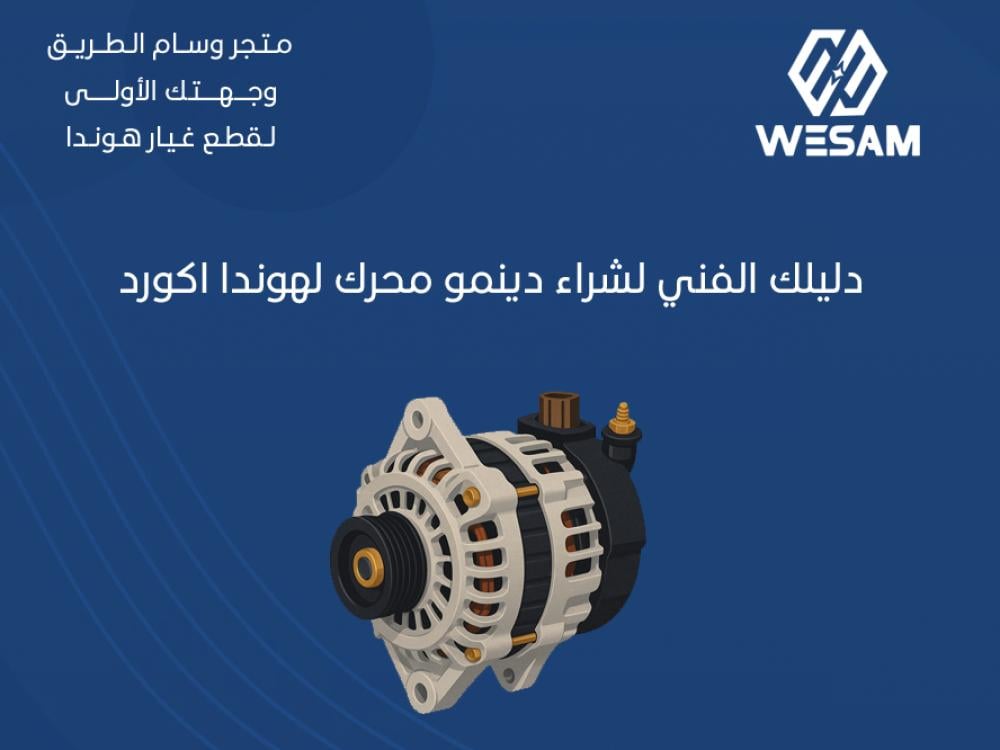
The charging alternator is one of the most critical components in a vehicle. It is responsible for generating the electrical power needed to charge the battery and operate systems such as lighting, air conditioning, and audio equipment. In four-cylinder Honda Accord models, this component plays a vital role in maintaining stable voltage and preventing sudden electrical failures caused by insufficient charging.
What Is a Charging Alternator and What Does It Do?
The alternator converts mechanical energy from the engine—via the drive belt—into electrical energy that powers the vehicle’s systems during operation while keeping the battery charged within a safe range. Modern vehicle systems rely on stable voltage, so weak charging can lead to performance fluctuations or temporary shutdowns of certain features.
In Honda vehicles, the alternator is typically compact in design, with amperage output varying depending on trim level and installed equipment. For this reason, relying on part numbers or compatibility data is always preferable to judging by appearance or product images alone.
Common Symptoms of Charging System Issues
Before deciding on replacement, it is important to recognize the signs that may indicate a problem within the charging system:
- Dim or fluctuating headlights, especially when additional electrical loads are active.
- Repeated battery drain without an obvious cause.
- A battery warning indicator appearing on the dashboard.
- Unusual humming or grinding noises near the belt or engine accessories.
- Intermittent malfunction of electrical systems such as the A/C, infotainment screen, or audio system.
If these symptoms appear, early inspection is recommended to pinpoint the root cause, as the issue may lie in the battery, wiring, or belt rather than the alternator itself.
How to Inspect the Charging System Before Replacement
The following steps can help you perform a preliminary check:
- Voltage Test: Use a voltmeter across the battery terminals while the engine is running. Normal charging voltage should be higher than the battery’s resting voltage. Consistently low or unstable readings may indicate a charging issue.
- Belt Inspection: Ensure the drive belt is properly tensioned and free from cracks, glazing, or slippage. A weak belt can reduce charging even if the alternator is functional.
- Noise Observation: Humming or rattling sounds may point to issues with the alternator pulley or bearings.
- Electronic Diagnostics: At service centers, diagnostic tools can precisely identify faults related to voltage regulation or charging control.
Key Specifications to Consider
- Voltage: 12 volts (the standard for most modern vehicles).
- Amperage: Varies by trim and equipment; always rely on part compatibility rather than a general range.
- Pulley Type: Fixed or removable depending on engine design.
- Mounting: Mounting points and bolt patterns may differ between trims, making fitment verification essential.
Important note: When purchasing any electrical component, matching specifications using the vehicle identification number (VIN) or part number is the safest way to avoid installation errors.
Types of Alternators Available on the Market
- New units from authorized sources: Typically offer longer service life and higher stability, but often at a higher price.
- Remanufactured units: Internals are rebuilt or replaced to meet defined standards. These can be a good option when sourced from a reputable supplier with a clear warranty.
- New aftermarket alternatives: A cost-effective choice when specifications are fully compatible and quality is supported by warranty and user feedback.
Note: You can explore available electrical components via this page: Honda Parts.
How to Choose the Right Unit for Your Vehicle
Do not base your decision solely on price or appearance. Instead, follow a structured approach to ensure compatibility:
- Match the VIN to obtain the correct part number.
- Confirm the type, number, and position of electrical connectors.
- Verify pulley shape, alignment, and belt orientation.
- Ask the seller for compatibility confirmation rather than relying only on product images.
If you are unsure, contacting the retailer’s technical support can significantly reduce the risk of incorrect selection.
Buying from a Trusted Source
When purchasing electrical components, choose a retailer that clearly lists specifications and offers exchange or return options in case of incompatibility. You can review Accord-related options here: Accord Parts.
Can Installation Be Done at Home?
This depends on your experience level and available tools. It is essential to disconnect the battery before starting, correctly remove and refit the belt, reconnect wiring accurately, and test charging voltage afterward. If you lack sufficient experience, professional installation is recommended, as incorrect wiring or belt tension can lead to premature failure.
Tips to Extend the Service Life of the Charging System
- Regularly inspect wiring, fuses, and connectors related to the charging system.
- Use a healthy battery to reduce strain on the alternator.
- Check belt condition periodically and replace it if worn or loose.
- Avoid adding excessive electrical loads without considering system capacity.
- Do not spray water directly onto the alternator when washing the engine.
Frequently Asked Questions
Can an alternator from a different model be used?
In some cases it may be possible, but it is not recommended unless full compatibility in mounting, connectors, and output is confirmed.
Does the alternator require routine maintenance?
There is typically no direct routine maintenance, but inspecting the pulley, bearings, and belt as part of preventive maintenance is advised.
What is the average service life?
Service life varies depending on usage, temperature, battery condition, and belt quality. Preventive care and avoiding excessive electrical loads can help extend longevity.
Conclusion
Maintaining a healthy charging system is not optional—it is essential for vehicle stability and reliable operation of al electrical systems. Early inspection, selecting a clearly compatible unit, and proper installation all work together to reduce failures and ensure consistent electrical performance over the long term.