
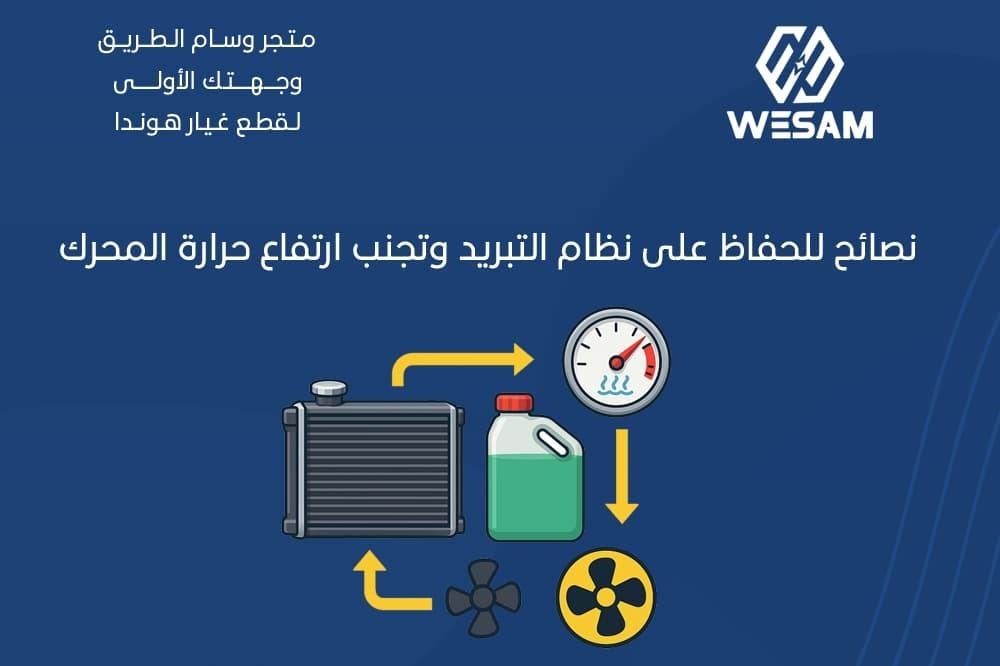
Your engine’s performance depends on an efficient cooling system that prevents overheating, which can lead to costly damage or even complete engine failure. This system consists of several key components: the radiator, coolant, hoses, cooling fan, and thermostat.
Why Is the Cooling System Essential for the Engine?
The engine operates at very high temperatures due to internal combustion. A properly functioning cooling system transfers excess heat away through the coolant to the radiator, where it is cooled and recirculated. Without regular maintenance:
- Combustion efficiency decreases: Excess heat can cause pre-ignition or knocking, damaging pistons.
- Component wear increases: Large temperature fluctuations cause repeated expansion and contraction, increasing mechanical stress.
- System failure may occur: Damage to the cylinder head or hoses can lead to coolant loss and system breakdown.
Cooling System Components and Their Functions
- Radiator: Cools the coolant through airflow.
- Thermostat: Regulates operating temperature by opening and closing coolant passages.
- Water Pump: Circulates coolant through the engine’s internal passages.
- Cooling Hoses: Transfer coolant between components without leakage.
- Coolant: A mixture of water and ethylene glycol that prevents freezing and corrosion.
Early Signs of Engine Overheating
Pay close attention to the following symptoms to prevent further damage:
Temperature Gauge on the Dashboard
If the temperature needle reaches the red zone or rises unusually fast, this is a direct warning of a cooling system malfunction.
Foam or Bubbles Around the Radiator Cap
Foam or bubbles when inspecting the radiator cap may indicate a system leak or combustion gases entering the coolant due to a damaged cylinder head.
Coolant Leaks
Green or pink stains under the vehicle usually indicate leaks from hoses or radiator connections, directly reducing cooling efficiency.
Cooling System Maintenance Schedule
Each component requires periodic inspection or replacement based on manufacturer recommendations and driving conditions:
- Coolant: Every 40,000–60,000 km or every two years.
- Cooling hoses: Visual inspection every 20,000 km; replace every 60,000 km or if cracked.
- Radiator: External cleaning during every service; internal flushing every two years.
- Thermostat: Check opening/closing function every 40,000 km; replace every 100,000 km.
- Water pump: Replace with timing belt as recommended (often every 100,000 km); visually inspect every 40,000 km.
Tools and Materials Needed for Maintenance
Before starting, prepare the following tools to ensure safety and ease of work:
- Jack and safety stands: To lift the vehicle securely.
- Wrenches for radiator bolts and hoses: Depending on the model.
- Catch pan: To collect old coolant.
- Coolant tester: To measure antifreeze concentration.
- Small brush or radiator cleaner: To remove deposits.
- New coolant meeting specifications: Ensure the correct type and concentration.
- Protective gloves and goggles: To protect skin and eyes from irritants.
Steps to Inspect and Clean the Cooling System
Draining Old Coolant
- Lift the vehicle and secure it safely.
- Place the catch pan under the radiator drain plug.
- Open the plug and allow the coolant to drain completely.
Cleaning the Radiator and Passages
- Pour radiator cleaning solution according to instructions.
- Refill with water and cleaner, then run the engine briefly to circulate the fluid.
- Drain the solution and flush with clean water until it runs clear.
Inspecting and Replacing Hoses
- Check hoses by squeezing and twisting; look for cracks or bulges.
- If weakness or hardening is found, replace immediately with approved parts.
Refilling with New Coolant
- Mix coolant with distilled water according to the recommended ratio (usually 50/50).
- Pour slowly to prevent air bubbles, then run the engine with the radiator cap slightly open to bleed air.
- Close the cap and top up if the level drops after cooling.
Additional Tips for Maintaining Ideal Temperature
- Electric cooling fan: Ensure it operates automatically at the correct temperature.
- Belt tension monitoring: Proper belt tension affects water pump speed.
- High-quality cylinder head gaskets: Help prevent oil and coolant mixing.
- Avoid tap water: Use distilled water only to reduce mineral deposits.
Common Mistakes and How to Avoid Them
Mixing Different Coolant Types
Incompatible coolant mixtures cause deposits that clog passages. Always use the same type and preferably the same brand.
Ignoring Air Bleeding
Air pockets reduce heat transfer efficiency. Properly bleed air using the correct method or bleed screws if available.
Delaying Routine Maintenance
Postponing service increases damage and repair costs. Follow the recommended inspection and replacement schedule.
Maintaining your vehicle’s cooling system is one of the most important steps to protect the engine from costly thermal damage and ensure consistent performance and fuel efficiency. By following the maintenance schedule, using the right tools and materials, and avoiding common mistakes, you can enjoy safe and reliable driving year-round.
Finally, you can find the best original cooling system spare parts for Honda and other vehicles at Wesam Al-Tariq Store, offering high quality, competitive prices, and fast delivery across Saudi Arabia.